Can Pruning Trees at the Right Time with a Trimming Calendar Improve Growth?
Proper tree trimming is crucial for maintaining healthy, strong trees and enhancing the overall look of your yard. Trees offer countless benefits, from providing shade to boosting property value. But trimming them at the wrong time can weaken them, leaving them vulnerable to disease and environmental stress.
At Midwest Tree Removal, we’ve developed this guide to help you understand the best time to trim trees, based on tree type and season, and create an effective tree trimming schedule that keeps your trees in top shape.
Why Does Tree Trimming Matter?
Tree trimming is an essential part of tree care. Regular trimming helps remove dead, broken, or diseased branches, which can cause long-term damage to your trees. Pruning your trees also allows for better sunlight penetration and airflow, promoting healthy growth. Additionally, trees that are pruned at the correct time are more resilient to storms and pests. Studies have shown that properly maintained trees can increase property values by up to 15%.
At Midwest Tree Removal, we’re here to ensure your trees stay healthy by helping you set up the ideal tree trimming schedule tailored to each tree’s unique needs.
Best Time to Trim Trees: When to Prune Different Tree Types
Creating a tree trimming schedule requires knowing the right time for each type of tree. The image below outlines the ideal trimming times for various types of trees. This schedule takes into account factors like the season, tree species, and growth patterns.
Late Winter/Early Spring
The best time to prune trees for most species is in late winter or early spring when they are dormant. Pruning trees in spring helps encourage strong growth once the warmer months arrive, and the tree heals faster. The late winter and early spring months are ideal for trees like Fir Trees, Apple and Pear Trees, and Maple Trees.
Fir Trees should be pruned in early spring before new growth begins, as this ensures they stay healthy and maintain a good structure. Apple and Pear Trees also benefit from being pruned during this period, as removing deadwood and diseased branches will promote better fruit production in the upcoming growing season. Maple Trees should also be pruned during the late winter or early spring before sap begins to flow.
Late Spring/Early Summer
During late spring and early summer, many trees, like Spruces and Hedges, can be trimmed. Pruning trees in summer is ideal for shaping and removing weak branches, and it helps the tree grow in the right direction.
Spruces and other evergreens should be pruned as new growth starts to slow down. This is the best time to maintain the shape of the tree. Hedges can be trimmed throughout late spring and early summer to ensure they stay tidy and well-maintained.
Late Summer/Fall
Late summer or fall is the right time to trim some trees, especially if you want to improve their appearance and reduce the risk of disease. Trees like Butternut & Walnut Trees, Oak Trees, and Firs & Douglas Firs benefit from light trimming in the late summer and fall.
Pruning these trees at this time ensures that they have time to heal before the colder months. For Butternut & Walnut Trees, it’s crucial to remove dead branches to prevent pests from nesting in them. Oak Trees should be pruned in late summer or fall, but not too late, to avoid exposing them to the risk of oak wilt. Firs & Douglas Firs can be pruned at this time to encourage healthy growth in the spring.
Late Fall/Early Winter
For trees that are dormant during late fall and early winter, such as Cedar Trees, Pine Trees, Hemlocks, and Tamarack (Larches), trimming can be done during the dormant season to avoid stressing the tree. These trees benefit from pruning during this time because their growth is minimal, and they will be ready for new growth when the spring season arrives.
Cedar Trees, Pine Trees, and Hemlocks can all be pruned during late fall or early winter when they are in a dormant state. These trees typically don’t need heavy pruning, but removing dead or broken branches helps maintain their health and appearance. Tamarack (Larches) should also be pruned in late fall or early winter before they drop their needles, ensuring they grow strong in the following season.
Tips for a Healthy Tree Trimming Routine
- Inspect your trees regularly for broken, diseased, or dead branches. Catching problems early will prevent further damage.
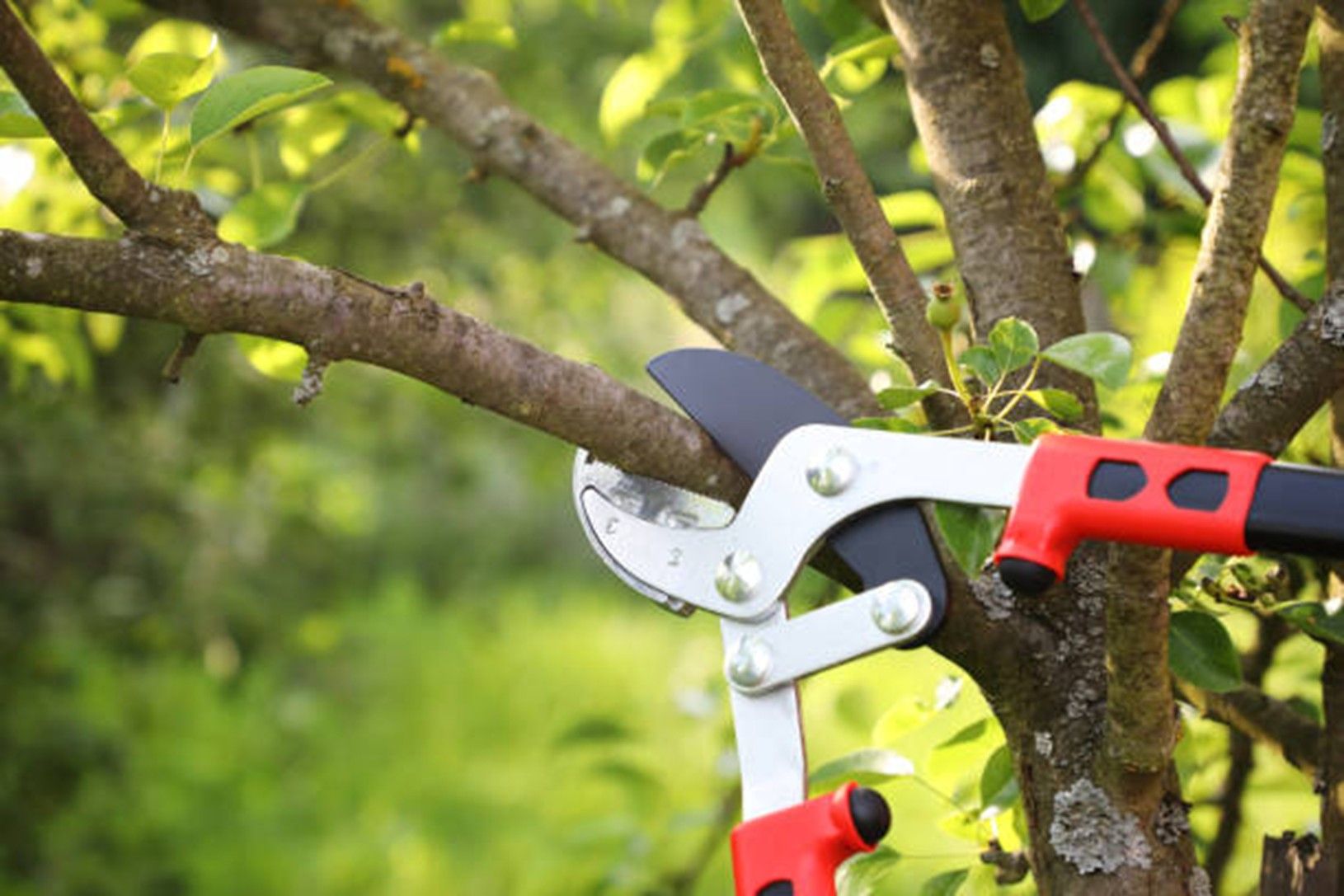
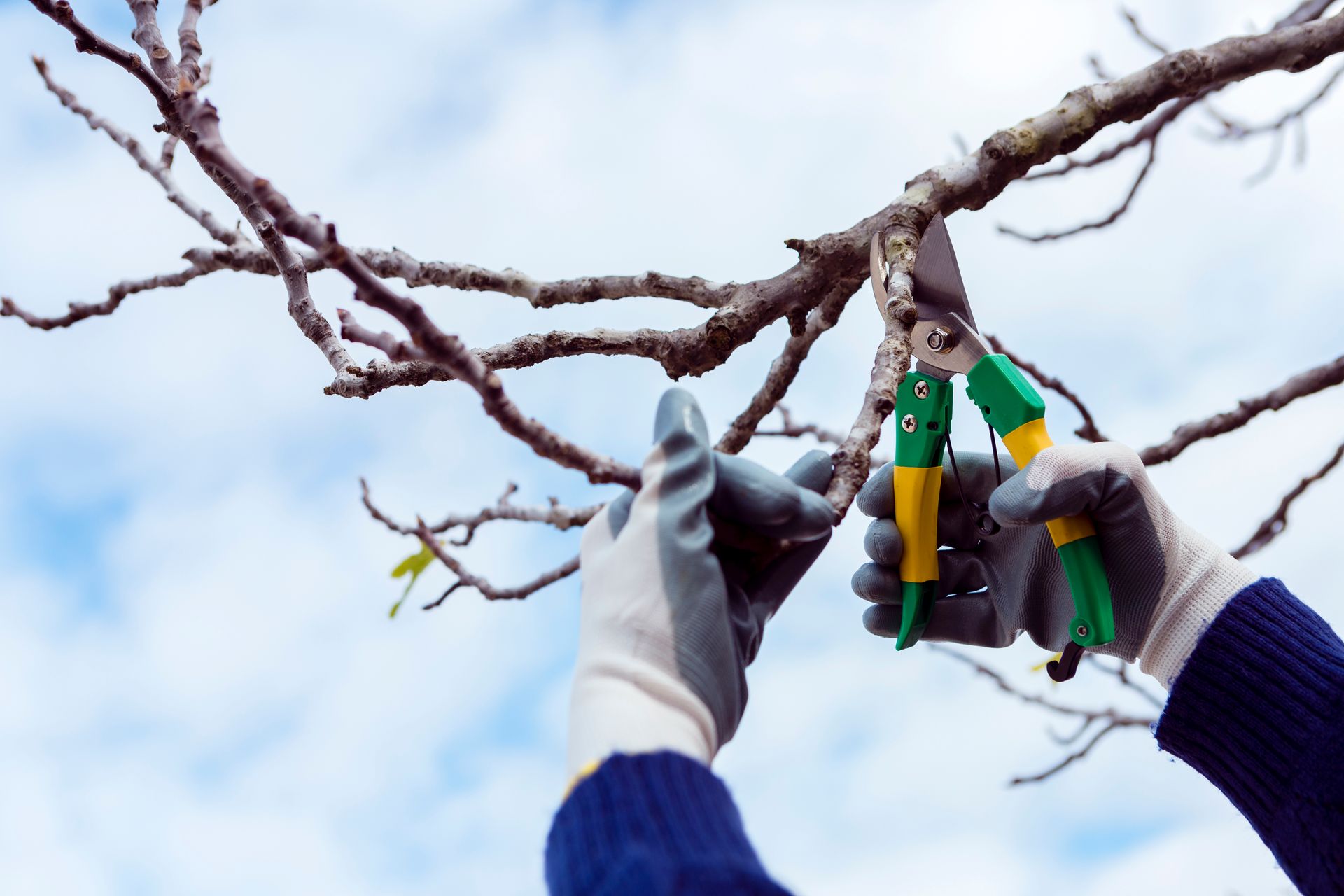
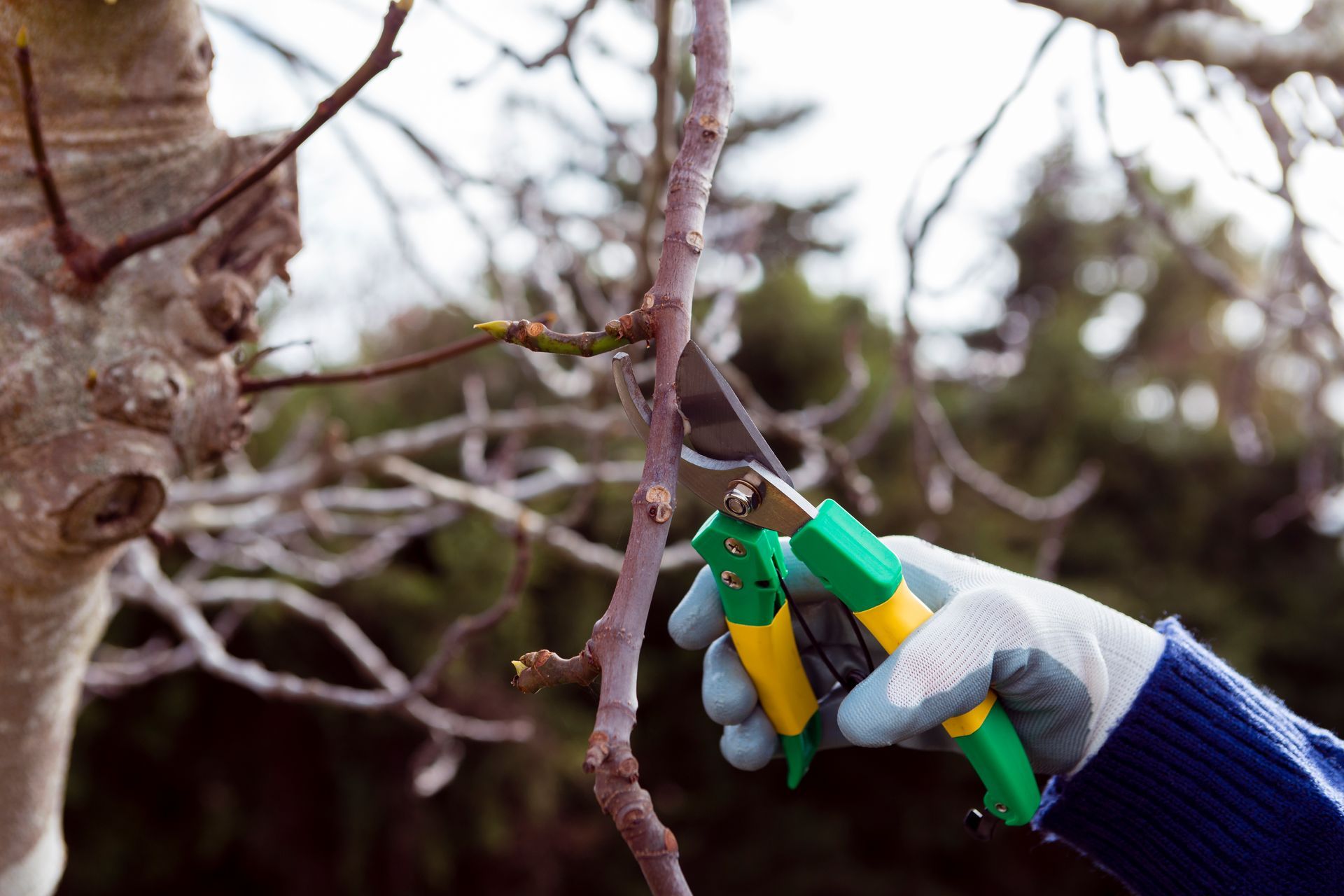
- Use proper tools: Ensure your pruning shears are sharp and clean to make smooth cuts. This promotes quicker healing and reduces the risk of infection.
- Avoid over-pruning: Never remove more than 25% of a tree’s canopy in one session. Over-pruning can damage the tree and stunt its growth.
- Call professionals: For large or high-risk trimming jobs, it’s always best to hire professionals like Midwest Tree Removal. Our expert team can safely trim your trees and ensure they remain healthy.
Trust Midwest Tree Removal for Expert Tree Care!
Proper tree care, including a well-planned tree trimming schedule, is essential for the health and beauty of your trees. By following the right timing for pruning, you’ll ensure your trees stay strong, vibrant, and disease-free. At Midwest Tree Removal, we’re committed to providing personalized service, be it pruning, tree removal, or general maintenance.
Dial 651-401-8182 for a free quote and let us help you take care of your trees. We're here to make sure your trees get the care they need when they need it most!
FAQs
When is a good time to prune trees?
The best time to prune trees is in late winter or early spring, before they start growing, allowing for quicker healing and healthy new growth.
Can I prune a fruit tree in spring?
Yes! Pruning a fruit tree in spring helps you remove deadwood, optimize airflow, and encourage more fruit production in the growing season.
Should I prune trees in summer?
Prune trees in summer lightly for shaping. Avoid heavy pruning during hot months, as it can stress the tree and hinder growth.
Is winter a good time for tree pruning?
Yes, pruning trees in winter is ideal for dormant trees. It helps you identify structural issues, and it reduces the risk of disease transmission.
How often should I trim my trees?
Most trees benefit from annual pruning. Create a tree trimming schedule to inspect and prune your trees regularly, removing dead or broken branches as needed.