What Is Tree Pruning and How Does It Boost Tree Health?
Summary:- Tree by pruning improves tree health, structure, and safety by removing dead, damaged, or crowded branches. Proper cuts allow energy to flow to strong limbs, improve sunlight and air circulation, and reduce the risk of decay or breakage. Summer pruning, done correctly, supports growth without harming trees. The blog explains healing after pruning, what to put on cuts, signs trees need care, long-term benefits, and why professional pruning with experts like Midwest Tree Removal ensures stronger, safer, and well-maintained trees.
Trees make our yards look beautiful and provide shade, but they need care to stay strong and healthy. One of the best ways to keep trees safe is pruning. Many people wonder, will pruning a tree in summer kill it. This question comes up a lot because people worry that cutting branches during warm months might hurt the tree. In fact, pruning the right way helps the tree grow stronger, stay healthy, and prevent future problems. Pruning is not just cutting branches randomly. It is a careful process that makes trees safe, balanced, and healthier. Proper pruning also prevents accidents, improves the look of the yard, and helps the tree live longer.
Why Trees Need Pruning
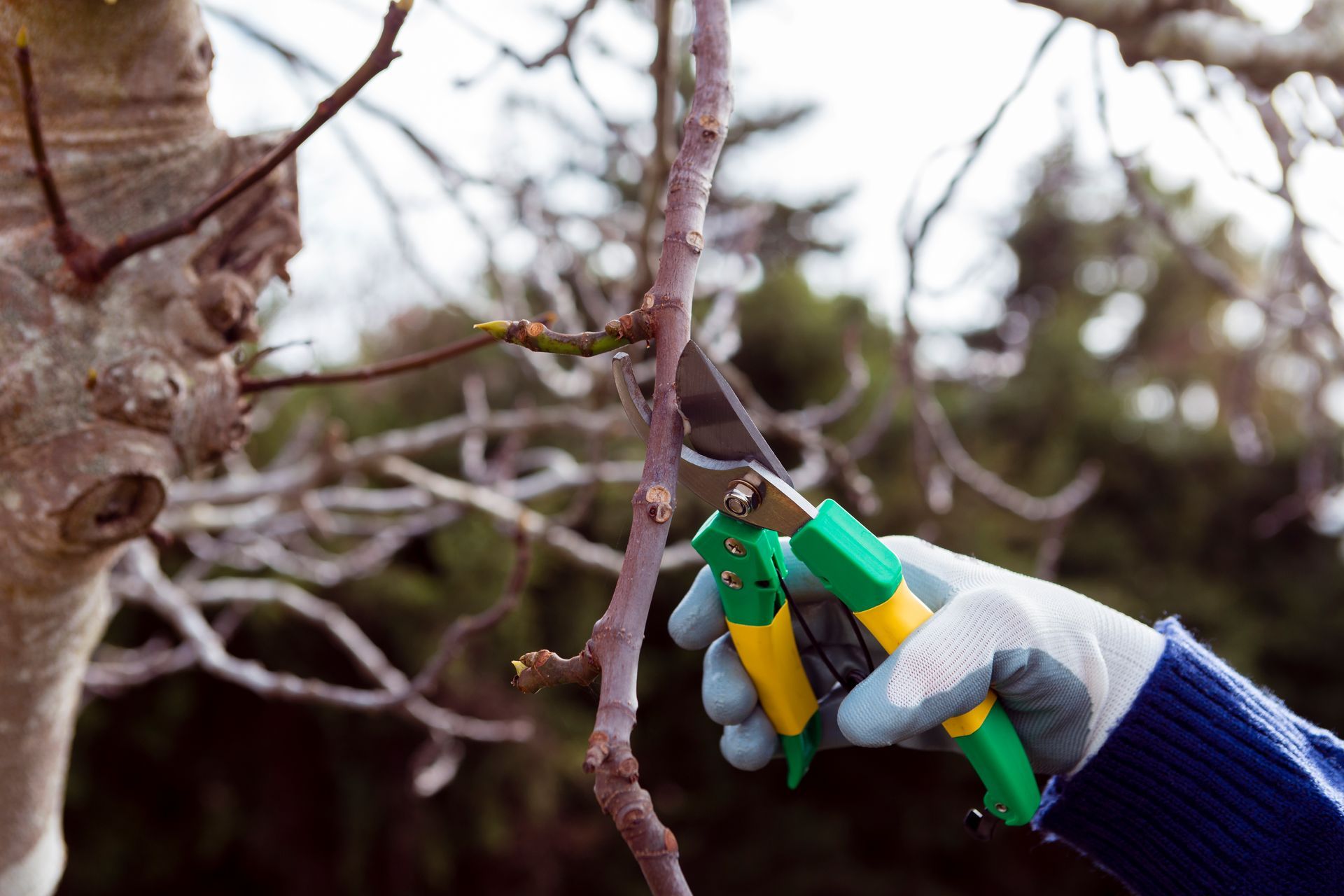
Tree pruning means carefully removing some branches from a tree. Every cut has a purpose. Good pruning helps a tree:
• Remove broken, dead, or weak branches
• Let more sunlight reach leaves
• Reduce heavy branches that can hurt the trunk
• Grow in a balanced and safe way
Without pruning, branches can crowd each other. This makes the tree weaker and more likely to break. Controlled pruning removes problem branches and keeps the tree strong.
Pruning also helps prevent diseases from spreading. When dead or damaged branches are removed, the tree uses its energy to heal the healthy parts. This energy focus leads to better growth and stronger limbs over time.
How Pruning Makes Trees Stronger
Pruning helps the tree focus its energy on the strong branches. Cutting damaged limbs stops decay from spreading.
Pruning also improves tree strength in these ways:
- Balance the branches: Heavy branches can pull on the trunk. Removing some makes the tree stable.
- Let in sunlight: Open spaces in the canopy allow sunlight to reach all parts of the tree. This helps leaves grow strong.
- Prevent rubbing: Branches that rub together can get hurt. Removing some stops this and keeps the tree safe.
These steps help the tree heal faster and grow stronger over time. Trees that are pruned regularly have fewer broken branches and are less likely to develop weak spots. Balanced trees also look better, which can improve the entire landscape of your yard.
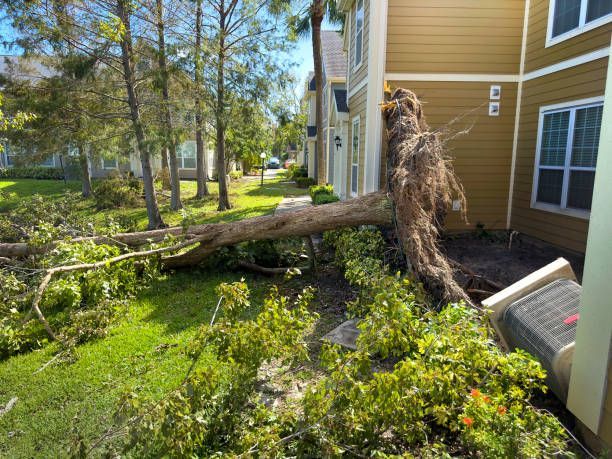
Pruning is especially helpful for trees near homes or sidewalks. Removing weak branches reduces the chance of accidents.
A strong tree can also withstand storms or heavy snow better than one with crowded or damaged limbs.
Summer Pruning Myths That Confuse Property Owners
Many people think trees should never be pruned in summer. This is not completely true. Summer pruning can actually help control fast-growing branches. It keeps the tree balanced and stops branches from crowding. Experts check the tree’s type, branch size, and health before cutting. Small, careful cuts in summer usually help the tree rather than hurt it.
The key is technique. Proper cuts allow the tree to heal naturally without stress. Even during summer, pruning can remove branches that block light or prevent proper air circulation. This helps the leaves grow strong, and the tree stays healthy.
Another advantage of summer pruning is that it can help manage growth before the fall. Removing shoots and crowded branches early gives the tree time to heal before the colder months. It also prepares the tree for fruit production in species that bear fruit.
How Trees Heal After Pruning
After a branch is cut, the tree starts to heal. Nutrients go to the cut area to make a protective layer. This layer helps stop disease and decay.
People often ask, what to put on a tree after pruning. Usually, nothing is needed. Trees can heal on their own. The best thing is to make the cut at the right place near the branch collar. Healthy trees grow new shoots and close the wound naturally.
Watching your tree after pruning is important. If new leaves grow and branches stay strong, the tree is recovering well. Signs of stress, such as drooping leaves or bark cracks, indicate that the tree may need extra care or monitoring.
Pruning also allows arborists to spot hidden problems. Sometimes, insects, fungus, or internal decay are visible only after a careful branch removal. Early detection keeps the tree healthy and prevents bigger issues.
Signs Your Trees Need Pruning
Trees show clear signs when pruning is needed. Fixing problems early keeps the tree and nearby areas safe.
Look for these signs:
• Branches touching buildings or wires
• Dead or hanging branches
• Dense leaves blocking sunlight
• Cracks or splits on large limbs
Pruning these branches keeps your tree safe, strong, and looking good. Regular checks every few months can catch issues before they become dangerous. Healthy trees are easier to manage and less likely to drop branches unexpectedly.
Pruning also benefits the surrounding plants and grass. When branches are removed, more sunlight reaches the ground. This helps grass, flowers, and shrubs grow better under and around the tree.
Long-Term Advantages of Regular Pruning
Pruning is not just about fixing immediate problems. It shapes long-term growth and strength. Young trees benefit the most. Proper cuts guide them to grow a strong trunk and well-spaced branches. This reduces problems later as the tree matures.
Mature trees also gain from regular pruning. Removing old or crowded branches improves air flow, reduces the risk of breakage, and encourages stronger limbs. Trees with consistent care live longer and remain safe in high-use areas such as playgrounds, parks, or near homes.
Well-pruned trees also boost property aesthetics. Clean, balanced canopies make yards look cared for and organized. This has added value for homeowners who want safe, strong, and visually appealing trees.
Closing Note:
Pruning seems simple, but it requires skill and knowledge. Wrong cuts can hurt the tree or lead to disease. Experts know how to trim safely and guide healthy growth. At Midwest Tree Removal, we provide professional tree pruning services. Our team examines each tree carefully, removes weak or crowded branches, and helps trees grow strong and stable. We focus on safety, structure, and long-lasting health. If your trees have crowded, broken, or unsafe branches, professional pruning is the best choice. Our trained arborists handle every cut with care, ensuring your trees stay healthy and safe for years to come.
Call Midwest Tree Removal today to schedule expert pruning and keep your trees strong, safe, and well-maintained.
FAQs:
Q1: Can pruning a tree in summer harm it?
A: Careful summer pruning usually helps trees grow strong. Our experts check branch size and tree health first.
Q2: What should I put on a tree after pruning?
A: Most trees heal naturally; we focus on proper cuts near the branch collar for safe recovery.
Q3: How often should trees be pruned?
A: Young trees benefit yearly; mature trees need pruning every 2–3 years to maintain structure and safety.
Q4: Why hire professional tree pruning services?
A: Professionals ensure safe cuts, prevent decay, and guide balanced growth for long-lasting tree health.
Q5: How can pruning prevent property damage?
A: Removing weak or crowded branches reduces the risk of breakage near homes or sidewalks.