Top 10 Trees That Become Hazardous in Minnesota
Summary: This blog explains the top 10 trees in Minnesota that can become dangerous due to storms, disease, and weak structure. It covers warning signs, safety risks, and when removal is needed, helping homeowners understand tree hazards and choose professional care for safe outdoor spaces.
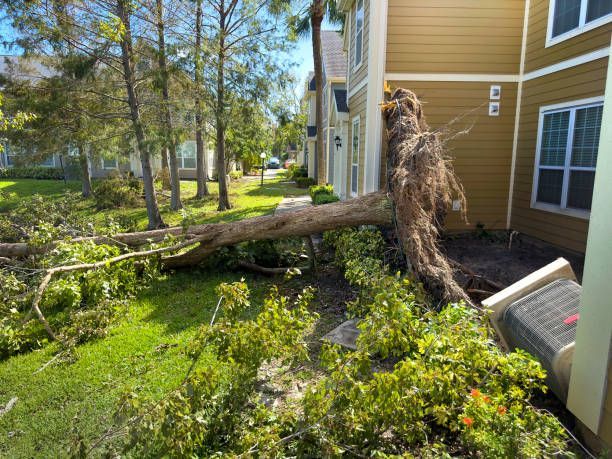
Minnesota is known for its beautiful green landscapes, strong seasonal changes, and a wide mix of native and ornamental trees. But what many homeowners do not always expect is how quickly certain trees can shift from being an asset to becoming a safety concern. Heavy snow, ice buildup, strong winds, and hidden decay can turn even healthy-looking trees into risks.
At Midwest Tree Removal, we see this pattern every year across St. Paul and nearby areas. Some tree species simply struggle more under Minnesota’s weather conditions, making them more likely to fail or cause property damage.
Let’s look at the top 10 trees that often become hazardous in this region and why they need careful attention.
1. Silver Maple
Silver maples grow fast, which makes them popular for shade. However, that fast growth creates weak wood structure. Their branches tend to split easily during storms or heavy snowfall. Large limbs can fall without warning, especially when the tree gets older.
This is one of the most common trees involved in hazardous tree removal situations after storms in Minnesota neighborhoods.
2. Cottonwood
Cottonwoods are massive and impressive, but their wood is soft and weak compared to many native hardwoods. As they age, internal decay becomes common. Large limbs often break during windstorms, making them a frequent concern for homeowners.
Their size alone makes managing risk more difficult, especially when they are close to homes or driveways.
3. American Elm
Once a favorite shade tree across Minnesota, the American elm has been heavily affected by Dutch elm disease. Many trees are now hollow or structurally weakened inside even if they still look alive from the outside.
This hidden decay makes them unpredictable and often a priority for hazardous tree removal services.
4. Boxelder
Boxelders grow quickly and are very adaptable, but they are also brittle. Their limbs tend to snap under pressure, especially during ice storms. They also attract insects and diseases that weaken their structure further.
Because they grow near homes and fences, they often become a risk when left unmanaged.
5. Ash Trees
Ash trees across Minnesota have been heavily impacted by emerald ash borer infestations. This invasive pest destroys the internal structure of the tree, leaving it weak and hollow.
Even if an ash tree looks fine externally, it can become dangerous very quickly. This makes regular inspection and hazardous tree removal in Minnesota extremely important for this species.
6. White Pine
White pines are tall and elegant, but their long needles collect snow and ice easily. This added weight can cause branch breakage or even full tree failure in extreme winter conditions.
They are especially risky when planted close to structures or power lines.
7. Aspen
Aspens are beautiful and fast-growing, but they have shallow root systems. This makes them unstable in high winds or wet soil conditions. Grouped aspen stands can also spread decay quickly from one tree to another.
Their instability often surprises homeowners because they look healthy right up until failure.
8. Birch Trees
Birch trees, especially paper birch, are sensitive to drought, heat, and pests. Their bark may look strong, but the inner wood can weaken over time. Branch dieback is common, especially in older trees.
Snow and ice loads can easily snap weakened branches during winter months.
9. Willow
Willows grow near water sources and have fast growth patterns. However, their wood is soft and prone to splitting. Heavy winds or saturated soil conditions can lead to sudden collapse.
Because they often grow near low ground, they can become unstable without visible warning signs.
10. Bur Oak
Bur oaks are strong and long-living, but even they are not immune to risk. Large, heavy limbs can become dangerous when internal decay develops. In winter, ice accumulation can stress branches beyond their limits.
While they are more resilient than others on this list, they still require monitoring as they age.
Why These Trees Become Dangerous in Minnesota
Minnesota weather is one of the biggest reasons these trees become risky. Constant freeze and thaw cycles weaken root systems. Ice storms add heavy pressure to branches. Summer storms bring strong winds that test structural strength.
In addition, pests like emerald ash borer and fungal diseases silently damage trees from the inside.
This combination creates situations where professional inspection becomes necessary before small issues turn into major hazards.
Signs a Tree May Be Becoming Unsafe
If you are unsure whether a tree on your property is becoming dangerous, here are a few signs to watch for:
- Cracks forming in the trunk or major limbs
- Large branches dropping without storms
- Mushrooms or fungus growing near the base
- Sudden leaning or shifting soil around roots
- Dead branches spreading across the canopy
These warning signs often indicate deeper structural issues that need attention before failure occurs.
Why Choose Midwest Tree Removal
At Midwest Tree Removal in St Paul, we understand how quickly tree conditions can change in Minnesota. Our approach is built around safety, experience, and proper planning before any work begins.
Here is what sets our team apart:
- Certified and trained tree specialists who understand local species
- Proper equipment for safe handling of complex tree conditions
- Focus on preventing property damage before it happens
- Clean and organized work process from start to finish
- Clear guidance so homeowners can make informed decisions
We also believe that every property deserves honest evaluation, not unnecessary work. That is why we focus on real risk assessment before recommending any service.
In Conclusion:
Tree safety in Minnesota is not something to overlook. Weather patterns, pests, and natural aging all contribute to structural weakness in many common tree species. Knowing which trees are more likely to become hazardous helps homeowners make better decisions before problems escalate.
At Midwest Tree Removal, we take pride in helping property owners stay ahead of these risks. Whether it is inspection, maintenance, emergency tree service, or full removal when needed, our team is here to protect both your landscape and your safety.
If you are noticing warning signs or simply want peace of mind about the trees on your property, reach out to us. We are ready to assess, guide, and take action when needed so your outdoor space stays safe and well maintained year-round.
Call Midwest Tree Removal today and let our team help you protect what matters most with confidence and care.
FAQS
Which trees are most likely to become dangerous in Minnesota?
Trees like silver maple, cottonwood, ash, elm, and willow often become dangerous in Minnesota because storms, ice, and diseases make their branches weak and unstable.
Why do trees become hazardous in Minnesota weather?
Cold winters, heavy snow, ice buildup, and strong winds slowly weaken roots and branches, making some trees more likely to break or fall unexpectedly.
How do I know if a tree on my property is unsafe?
Look for cracks in the trunk, falling branches, leaning, fungus growth, or dead sections in the canopy, as these are clear warning signs of risk.
What should I do if a tree looks like it might fall?
You should stay away from the tree and contact professionals for inspection and safe removal before it causes damage or becomes an emergency situation.
Do all large trees need removal if they are old?
Not always. Some old trees are still strong, but they should be checked regularly to make sure they are not weak or unsafe in storms.